COFFEE
GROUNDS
Daily waste becomes pigment, memory and portrait.
DRAGAN BOZINO / VISUAL ARTIST
AN UNFINISHED DIGITAL SPACE
Apparently, making art from air pollution and coffee waste takes less time than finishing a website.
THE PARTICLES ARE TRYING THEIR BEST.
PM10 / COFFEE / CODE / REPEATDaily waste becomes pigment, memory and portrait.
Invisible pollution becomes visible material.
UNDER CONSTRUCTION / OVER CREATION
The portfolio is under construction.
The studio definitely isn't.
01 / THE PERSON BEHIND THE PARTICLES
Every material has a history.
Every artwork gives it a new voice.
His artistic journey began in kindergarten, where his fascination with drawing first emerged.
Throughout his education he continuously developed his artistic language, receiving numerous awards, recognitions and first prizes in national and international competitions, establishing himself as one of the most distinctive young artists of his generation.
Working simultaneously as a contemporary visual artist and graphic designer, Bozhino has developed two interconnected creative practices united by experimentation, symbolism and conceptual storytelling.
Unlike traditional painters, his artistic practice is distinguished by the deliberate rejection of conventional materials.
Instead of relying on acrylics, oils or watercolor, he creates artworks exclusively from unconventional media—materials that already possess their own history before becoming part of the artwork itself.
His best-known series are created entirely from spent coffee grounds, transforming what is commonly regarded as waste into portraits and compositions that explore memory, ritual and human presence.
Every grain of coffee carries traces of everyday life, allowing the material itself to become an essential part of the narrative rather than merely a medium.
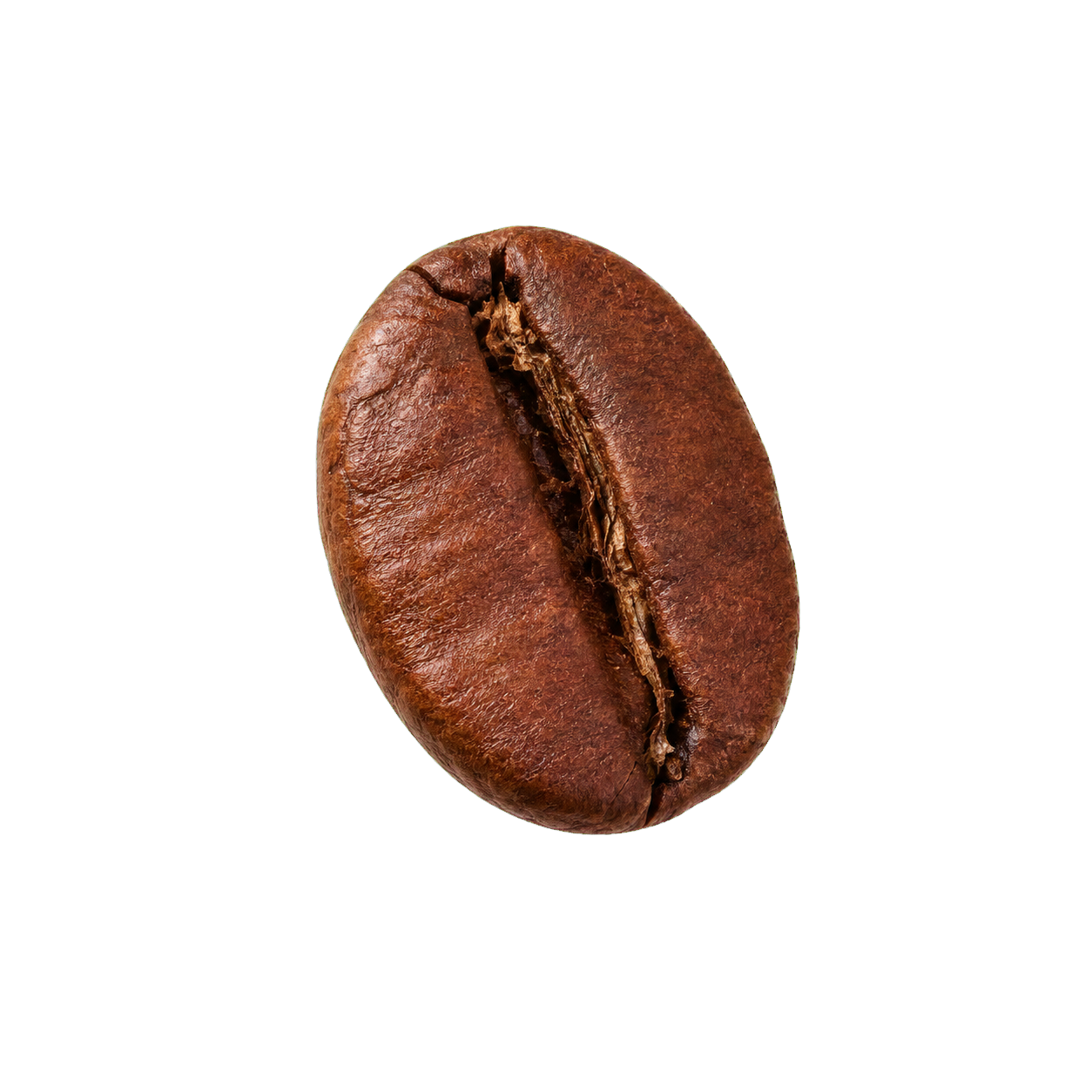
Alongside coffee, Bozhino has developed a second body of work using PM10 particulate matter collected from polluted air.
Invisible to the human eye yet present in everyday life, these microscopic particles become visible artistic material through his process. By incorporating pollution itself into his artworks, he transforms environmental evidence into visual testimony, encouraging viewers to confront one of the defining challenges of contemporary society.
Rather than separating aesthetics from meaning, Bozhino approaches every material as an active participant in the artwork.
Each project begins not with an image, but with a concept, allowing the chosen material to shape both the narrative and the final visual form.
His artistic practice explores themes of memory, environmental awareness, sustainability, consumption, identity and the invisible systems that influence everyday life. Through unconventional materials, ordinary objects and overlooked substances acquire new cultural and emotional significance.
Parallel to his contemporary art practice, Bozhino has established a distinctive visual language in graphic design. His works are frequently recognized by the recurring presence of skeletons, skulls and anatomical structures.
Rather than functioning simply as symbols of death, these elements become metaphors for time, transformation, human fragility and the layers that exist beneath appearances. Their consistent presence has become one of the defining characteristics of his visual identity.
Throughout his career, Bozhino has participated in numerous solo and group exhibitions, cultural projects and public presentations.
He has received multiple awards and recognitions for both his artistic and graphic design practice. His work continues to attract attention for its conceptual approach and unconventional use of materials.
In 2025, Bozhino launched the Free Art Project in Berlin as an ongoing public art initiative inspired by the belief that art should exist beyond the walls of galleries and private collections.
Through the project, signed prints of his artworks are anonymously placed in public spaces, allowing chance to become part of the artistic experience. Rather than deciding who should own a work, Bozhino allows each artwork to find the person it was meant to reach.
What began in Berlin continues to evolve as an international initiative, bringing contemporary art into everyday life.
More will follow — right after I finish the painting that was supposed to be finished yesterday.